What We Take With Us. What We Leave Behind.
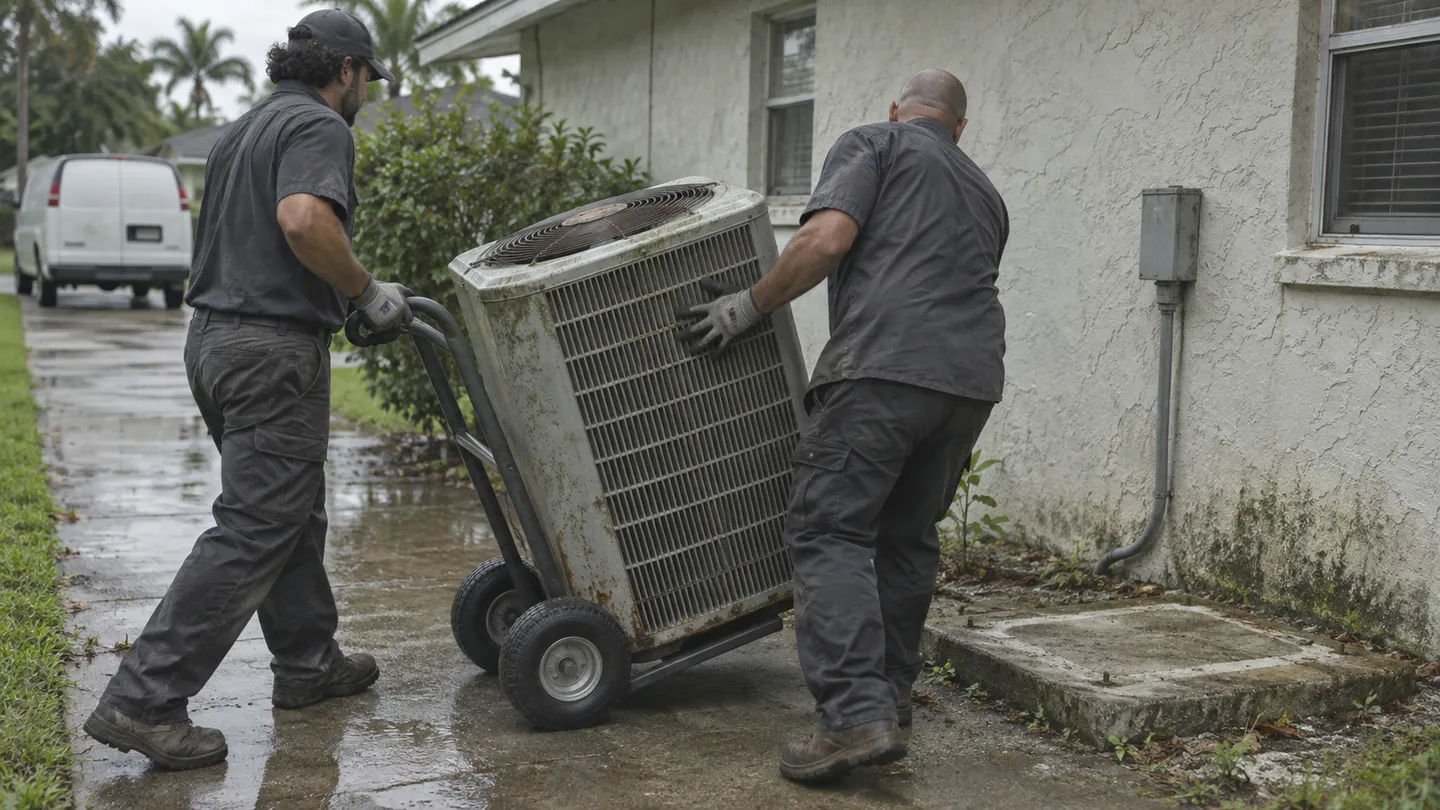
We prefer everybody to agree on what was in the house when we got there.
Start outside. That metal box is the part everybody points to when they say “the AC.” Inside, there’s more equipment. There are ducts, a drain, and a thermostat somebody has been hitting with the heel of their hand since 2018. “New AC” doesn’t tell you which of those things your estimate covers. Get that straight before anything goes on the truck.[1][4]
Before AC replacement: agree on what comes out
We look at the existing equipment and ask what you don’t want the new system to do again. Maybe the old AC never cooled the back bedroom. Maybe the house got cold but stayed damp. Write those things down before you talk about models. ENERGY STAR recommends sizing the equipment for the actual house, rather than relying on a rule of thumb. Copying the old size can copy an old mistake.[1][4]
Ask for the work in three columns: coming out, going in, and staying put. Which indoor and outdoor components are included? Is the thermostat part of the swap? Is removal of the old equipment included? That last one is better asked with the old unit still bolted down.
On install day: know what’s staying
Maybe the ductwork stays. Maybe the drain or thermostat does. Keeping something that works and fits the new equipment can make sense. Keeping it because nobody looked is a different arrangement.[4]
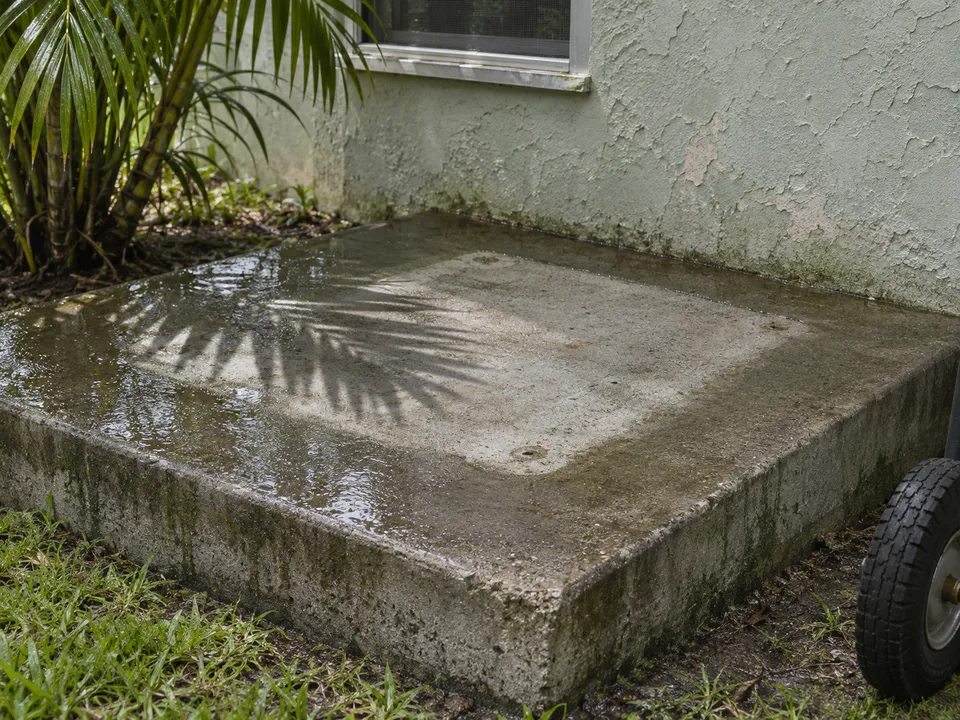
If one room had weak airflow before, ask whether the quote includes looking at the ducts that serve it. The new box can be doing its job while that bedroom still has the old problem. When you’re comparing quotes, compare the work each one covers, not just the model number printed in bold.[1][4]
Before the truck leaves: ask what was tested
Cold air at one vent is a good start. Ask the crew what they checked: cooling operation, airflow, condensate drainage, and thermostat response. Ask how they verified the refrigerant charge for the installed equipment, too. ENERGY STAR calls out airflow and charge as part of a quality installation; they’re worth asking about even though neither comes in a box you can point to.[1][4]
Have somebody show you the thermostat while they’re still there. If something was left for a later visit, make sure you know what and why. You shouldn’t have to reconstruct the afternoon from a receipt and a rectangle of clean concrete.
If you’re weighing another repair against an AC replacement in South Florida, tell us what’s installed now and what it keeps getting wrong. We’ll explain what we’d change, what we could keep, and what we’d check once the new equipment is running.[4]